The Ultimate Guide to Choosing the Best Gadgets for Everyday Life
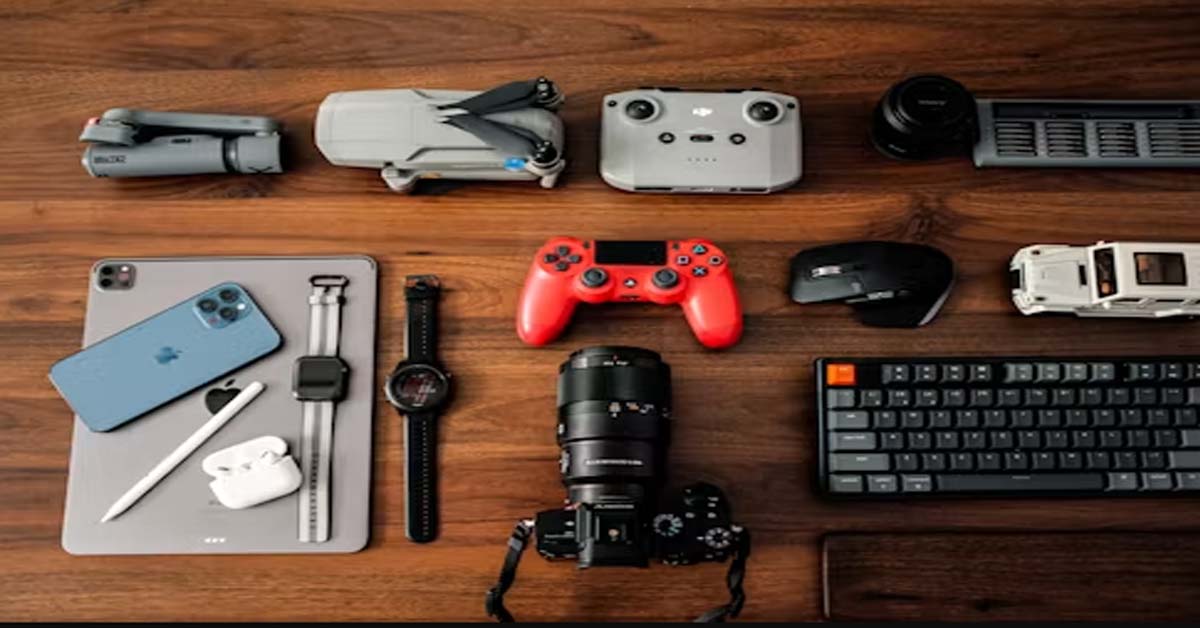
Technology has become an important part of everyday life. From smartphones and wireless earbuds to smartwatches, portable chargers, home devices, and computer accessories, gadgets help people communicate, work, study, entertain themselves, and manage daily tasks.
However, the growing number of gadgets available today can make choosing the right product difficult. New devices appear regularly, and manufacturers often promote advanced features that may not be necessary for everyone. A smart shopping approach focuses on usefulness, quality, compatibility, durability, and value rather than simply buying the newest product.
This guide explains how to choose gadgets that genuinely fit your lifestyle and provide useful features without unnecessary spending.
Why Gadgets Have Become Part of Everyday Life
Modern gadgets are designed to make everyday activities easier and more convenient. A smartwatch can provide quick notifications, wireless earbuds can make listening more convenient, and a portable power bank can help keep devices charged while traveling.
Gadgets can also improve productivity. A good keyboard, mouse, monitor, tablet, or laptop accessory can create a more comfortable workspace. Similarly, smart home devices can simplify tasks such as lighting, entertainment, and household organization.
The best gadget is not necessarily the most expensive one. It is the product that solves a real problem and provides useful features consistently.
Popular Types of Gadgets
The gadget market includes many categories. Understanding these categories makes it easier to identify what you actually need.
Smartphones and accessories remain among the most widely used technology products. Cases, screen protectors, chargers, wireless charging accessories, stands, and portable batteries can improve the everyday smartphone experience.
Wearable technology includes smartwatches, fitness trackers, and other connected devices. These products can provide notifications, timers, activity information, and other convenient functions.
Audio gadgets include wireless earbuds, headphones, portable speakers, and microphones. When choosing audio equipment, consider comfort, battery life, sound quality, connectivity, and intended use.
Computer accessories include keyboards, mice, webcams, USB hubs, laptop stands, and external storage devices. These can be particularly useful for students, professionals, gamers, and people working from home.
Smart home gadgets include connected lights, plugs, sensors, speakers, and other household technology. Compatibility with your existing devices is especially important in this category.
Focus on the Features You Actually Need
One of the biggest mistakes when purchasing gadgets is paying for features that will rarely be used.
Before buying something, ask yourself:
- What problem will this gadget solve?
- How frequently will I use it?
- Which features are essential?
- Does it work with my existing devices?
- Is the product worth its price?
For example, if you primarily need headphones for studying, comfort and reliable battery life may be more important than advanced features you will never use.
Creating a short list of essential features can prevent impulse purchases.
Check Compatibility Before Buying
Compatibility is one of the most important factors when purchasing technology.
A gadget may have excellent specifications but still be inconvenient if it does not work properly with your phone, computer, operating system, charging system, or other devices.
Check compatibility information before purchasing. Look at supported operating systems, connection standards, ports, wireless technologies, and required applications.
This is particularly important for smart home products because some devices work only within particular ecosystems.
Battery Life Matters
For portable gadgets, battery performance can significantly affect the user experience.
Wireless earbuds, smartwatches, portable speakers, tablets, and other rechargeable devices should provide enough battery life for your normal routine.
Consider both the advertised battery life and how frequently you will need to recharge the device. A gadget that requires constant charging may become inconvenient even if it has excellent features.
Also consider charging compatibility. If a device uses a common charging standard, it may be easier to manage alongside your other electronics.
Build Quality and Durability
Price should never be the only consideration.
A cheaper gadget can become expensive if it breaks quickly and needs to be replaced. Look for products made with durable materials and check warranty information before buying.
Reviews can provide useful information about long-term reliability, but do not depend entirely on star ratings. Read comments that discuss actual usage, durability, battery performance, software problems, and customer support.
Avoid Buying Gadgets Just Because They Are Trending
Technology trends can create excitement, but popularity does not automatically mean usefulness.
A gadget promoted heavily on social media may look interesting but may not solve a genuine problem in your daily routine.
Before buying a trending product, wait and evaluate its practical benefits. Ask whether you would still want it if there were no advertisements or social media posts promoting it.
This simple question can help reduce unnecessary spending.
Consider the Total Cost
The purchase price is not always the complete cost of owning a gadget.
Some devices require additional accessories, subscriptions, replacement parts, or specialized chargers. Others may require paid applications or cloud storage.
Before purchasing, consider the complete cost over time. A slightly more expensive product with fewer additional expenses may provide better value than a cheaper device requiring several extras.
Read Reviews Carefully
Online reviews can be extremely useful when researching gadgets.
Instead of reading only positive reviews, look for common complaints. Pay attention to comments about:
- Battery performance
- Build quality
- Connectivity
- Software reliability
- Ease of use
- Comfort
- Warranty support
- Long-term performance
Professional reviews can explain technical specifications, while customer reviews can reveal everyday experiences.
Using both types of information gives you a more balanced picture.
Security and Privacy Should Also Matter
Connected gadgets can collect information and communicate with other devices. Therefore, security should be considered when purchasing smart technology.
Choose products from established manufacturers when possible and check whether the device receives software or security updates.
For connected home products, understand what information the device collects and what permissions its application requires.
Gadgets for Students and Productivity
Students can benefit from gadgets that support organization, communication, and study.
Useful options may include tablets, keyboards, headphones, USB drives, laptop stands, desk lamps, and portable chargers.
The goal should be to improve productivity rather than create unnecessary distractions. A simple and reliable device can often be more useful than an expensive gadget with dozens of features.
Gadgets for Travel
Travel-friendly gadgets should be compact, durable, and easy to carry.
Portable chargers, universal charging accessories, compact headphones, travel adapters, luggage trackers, and device organizers can make trips more convenient.
When traveling internationally, always check electrical compatibility and charging requirements.
How to Get Better Value
Smart shopping does not always mean buying the cheapest product.
Compare prices across multiple sellers, check warranty policies, look for legitimate promotions, and consider previous-generation models. Technology companies frequently introduce newer versions, which can make older models more affordable even when they remain useful.
Avoid deals that appear suspiciously cheap, particularly when the seller has unclear information or questionable reviews.
Final Thoughts
Choosing the right gadget is ultimately about finding the balance between functionality, quality, compatibility, durability, and price.
Instead of following every technology trend, identify your actual needs first. Research the product, compare alternatives, read reviews, and consider the long-term cost.
A good gadget should make your life easier—not create another unnecessary expense. With careful research and a practical buying strategy, you can build a collection of useful technology that supports your everyday routine.