The Complete Home and Garden Guide: Practical Ideas for a Comfortable, Organized and Beautiful Space
A home is more than four walls and furniture. It is a place where people relax, work, study, spend time with family, entertain guests, and create everyday memories.
The garden or outdoor area can extend that living space by providing an opportunity to enjoy nature, grow plants, relax, and spend time outside.
Creating a comfortable home and attractive garden does not always require a large budget. Small improvements can make a noticeable difference when they are planned carefully.
The most effective approach is to focus on functionality, organization, comfort, maintenance, and personal style.
Start With Functionality
Before purchasing decorations or furniture, consider how each space is used.
A living room might need comfortable seating and storage. A kitchen requires practical organization. A bedroom should provide a comfortable environment for rest. A study area may need appropriate lighting and a suitable workspace.
Design should support everyday activities.
A beautiful room that is difficult to use can quickly become frustrating.
Declutter Before Decorating
One of the simplest ways to improve a home is to reduce unnecessary clutter.
Look at each room and identify items that are:
- Rarely used
- Broken
- Duplicated
- No longer needed
- Difficult to store
Rather than trying to organize everything immediately, remove items that no longer serve a useful purpose.
This creates more space and makes future organization easier.
Create Practical Storage
Storage is one of the most important elements of an organized home.
Useful options can include:
- Shelves
- Storage boxes
- Baskets
- Cabinets
- Drawer organizers
- Wall-mounted storage
- Under-bed storage
Use storage according to the frequency with which you use items.
Frequently used objects should be easy to access, while seasonal or rarely used items can be stored in less accessible areas.
Choose Furniture Carefully
Furniture should fit the size and purpose of the room.
Large furniture can make a small room feel crowded, while furniture that is too small may not provide sufficient functionality.
Before purchasing furniture, measure the available space.
Also consider doorways, staircases, elevators, and other routes through which the furniture will need to pass.
Improve Lighting
Lighting can significantly influence how a room feels.
A combination of general lighting, task lighting, and decorative lighting can provide flexibility.
For example, a desk may require focused lighting for reading or studying, while a living room may benefit from softer ambient lighting.
Where possible, make good use of natural daylight.
Choose Home Decor That Reflects Your Personality
Home decoration should reflect the people who live there.
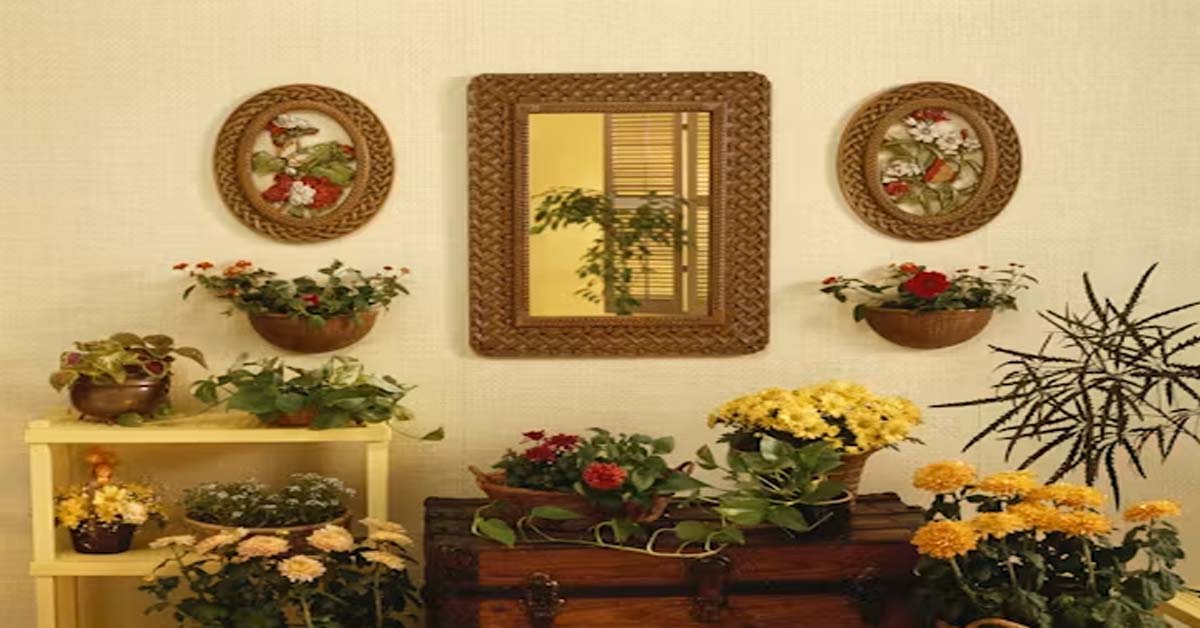
Artwork, photographs, books, plants, textiles, and decorative objects can add personality without requiring a complete renovation.
Avoid filling every available surface.
A smaller number of carefully selected objects can create a more organized appearance.
Indoor Plants
Indoor plants can bring natural elements into a home.
Different plants have different requirements for light, water, humidity, and temperature.
Before purchasing a plant, research whether your home's conditions are suitable.
Do not assume that every plant needs frequent watering. Overwatering can be harmful to many plants.
Creating a Beginner-Friendly Garden
Starting a garden can seem complicated, but beginners can start small.
Choose a manageable area and begin with plants suited to your local climate and growing conditions.
Consider:
- Sunlight
- Soil
- Water availability
- Temperature
- Space
- Maintenance requirements
Starting with a few suitable plants can be more successful than purchasing dozens of plants without understanding their needs.
Understanding Sunlight
Sunlight is one of the most important factors in gardening.
Observe your outdoor space throughout the day.
Some areas may receive direct sunlight for several hours, while others may remain shaded.
Choose plants based on their light requirements.
Placing a plant in the wrong location can make it difficult for the plant to thrive even when you provide sufficient water.
Watering Your Garden
Different plants require different amounts of water.
Avoid following a single watering schedule for every plant.
Instead, consider the plant type, soil, weather, season, and container size.
Watering too frequently can be just as problematic as insufficient watering.
Improve Soil Quality
Healthy soil supports healthy plants.
Depending on the garden, soil may benefit from organic matter or compost.
Before making major changes, understand the soil conditions and requirements of your plants.
A local gardening resource or nursery can provide useful advice about plants suited to your area.
Container Gardening
Container gardening is useful for people with limited outdoor space.
You can grow suitable flowers, herbs, vegetables, and other plants in containers.
Make sure containers have appropriate drainage.
Choose a container large enough for the plant's expected growth and use suitable growing material.
Creating a Relaxing Outdoor Space
A garden can become an extension of your living area.
Simple additions such as outdoor seating, shade, lighting, or a small table can create a comfortable place for relaxing.
You do not need a large garden.
Even a balcony, patio, rooftop, or small courtyard can become an enjoyable outdoor space when organized effectively.
Garden Maintenance
Regular maintenance prevents small problems from becoming larger ones.
Depending on your garden, routine tasks may include:
- Watering
- Removing weeds
- Pruning
- Cleaning
- Checking plants for pests
- Removing damaged leaves
- Maintaining containers
- Cleaning outdoor furniture
Create a manageable schedule instead of trying to complete everything at once.
Sustainable Home and Garden Ideas
Sustainability can be incorporated into everyday household decisions.
Consider reducing unnecessary waste, reusing suitable containers, repairing items instead of replacing them immediately, and choosing durable products.
In gardens, composting suitable organic waste and selecting plants appropriate for local conditions can help reduce unnecessary resource use.
Seasonal Home Maintenance
Different seasons create different maintenance needs.
Before periods of extreme weather, check outdoor areas, windows, doors, drainage, and other relevant household features.
Clean gutters where appropriate and inspect outdoor furniture and garden equipment.
Small preventive tasks can help avoid larger problems later.
Make Your Kitchen More Organized
The kitchen often becomes cluttered because many items are used regularly.
Group similar items together.
Keep frequently used cooking tools within easy reach and store less frequently used equipment elsewhere.
Clear labeling can also make pantry organization easier.
Create a Comfortable Bedroom
A bedroom should be organized around rest and comfort.
Keep unnecessary clutter away from the sleeping area and organize clothing so frequently used items are easy to find.
Lighting, temperature, bedding, and general room organization can all contribute to a more comfortable environment.
Home Improvement on a Budget
Not every improvement requires expensive renovations.
Small changes can include:
- Rearranging furniture
- Adding storage
- Repainting a room
- Replacing worn hardware
- Improving lighting
- Adding plants
- Organizing shelves
- Updating textiles
Prioritize changes that solve actual problems.
Safety Comes First
Home improvement projects should always be approached with safety in mind.
Follow manufacturer instructions for tools, appliances, electrical products, cleaning products, and gardening equipment.
For electrical, structural, gas, or other potentially hazardous work, professional assistance may be appropriate.
Final Thoughts
A comfortable home does not require unlimited money or space.
The best home and garden improvements begin with understanding how you actually use your space.
Declutter first, improve storage, choose suitable furniture, use lighting effectively, and add decoration gradually. In the garden, select plants according to sunlight, soil, water, and local growing conditions.
Whether you live in a large house, apartment, or small space, thoughtful organization can make your surroundings more practical and enjoyable.
The goal is not to create a perfect home. It is to create a space that works well for everyday life.